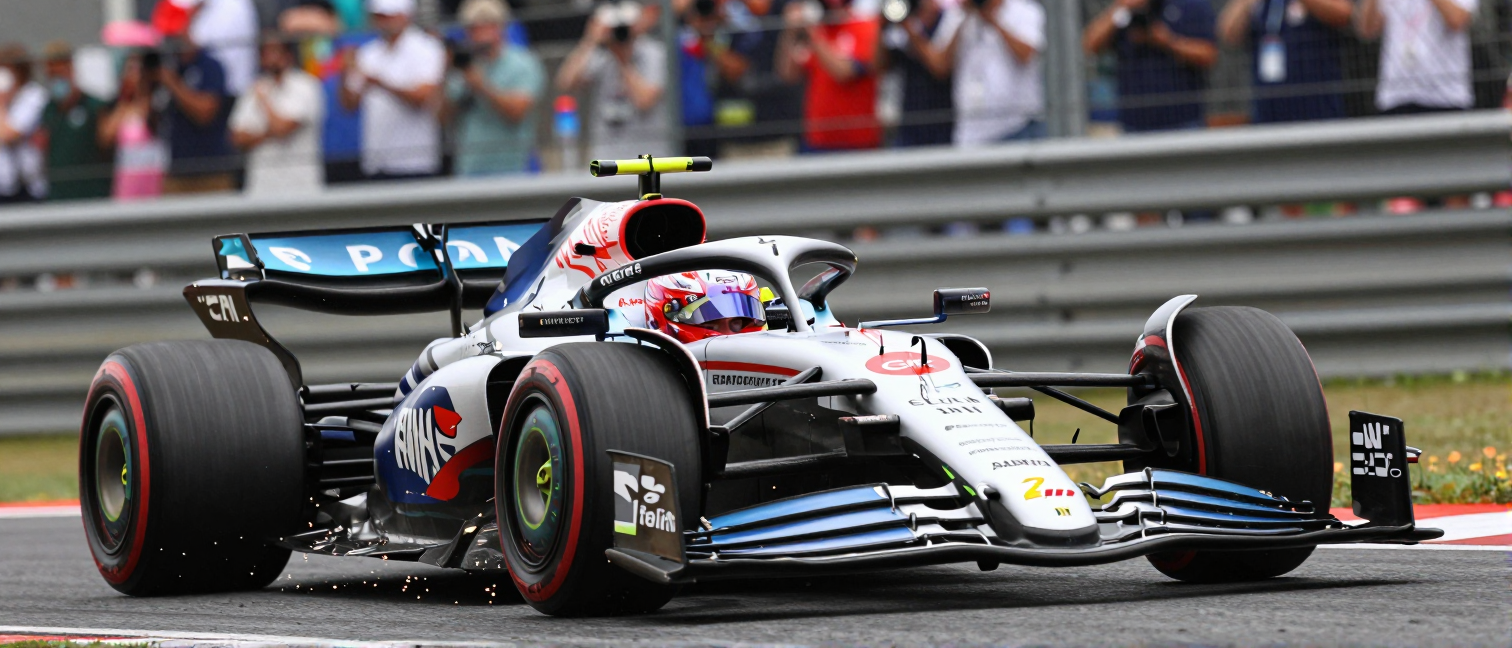
Carlos Sainz pushed for a sweeping qualifying amendment on 5 July 2026, after the Austrian Grand Prix qualifying session devolved into a series of red‑flag interruptions that left several drivers without a clean lap.
What sparked the proposal?
The Red Bull Ring saw three separate red‑flag periods during Q2, each triggered by a different incident. Drivers complained that the stoppages erased their best sector times, forcing them to start fresh on a drying track. Sainz, who qualified P7, argued the current system penalises competitors for circumstances beyond their control.
Which rule does Sainz suggest?
In a brief interview with *Autosport*, Sainz outlined a “radical” idea: retain each driver’s fastest sector time across all red‑flag phases, allowing the aggregate to form the final lap time. He believes this would reward outright speed while still respecting safety protocols.
Why is the suggestion gaining attention?
Teams such as Mercedes and Ferrari have voiced frustration over qualifying volatility this season. Toto Wolff, Mercedes team principal, noted that the Austrian episode highlighted a loophole that could unfairly shuffle the grid. Sainz’s proposal offers a concrete fix that could benefit mid‑field teams struggling to set a single perfect lap.
How might the rule change affect future grids?
If adopted, drivers would no longer lose a perfect sector because of a crash elsewhere. This could lead to tighter qualifying spreads and reduce the incentive to gamble on risky overtakes during the session. Critics warn it may complicate timing systems, but the FIA’s technical department has already begun reviewing the feasibility.
What are the next steps?
The FIA scheduled a technical briefing for 12 July 2026 to discuss Sainz’s idea with team representatives. Fred Vasseur, Ferrari’s sporting director, confirmed the team will submit a formal comment. A decision is expected before the next European round in Monaco.
How does this fit into Sainz’s broader agenda?
Beyond his on‑track performance, Sainz has positioned himself as a driver‑focused advocate, often speaking on safety and fairness. His latest push reflects a growing trend of riders influencing regulatory evolution, echoing past driver‑led changes in tyre allocations and DRS zones.
What could happen if the rule is rejected?
Should the FIA dismiss the proposal, teams may lobby for alternative measures, such as limiting the number of red‑flag resets per session. The debate is likely to spill into the next drivers’ meeting, where Sainz will likely defend his stance.
The Austrian GP saga may become a turning point for qualifying philosophy, and Carlos Sainz appears ready to steer the conversation.